
Pre-Season Isn’t About Getting Fit — It’s About Getting Ready for Rugby
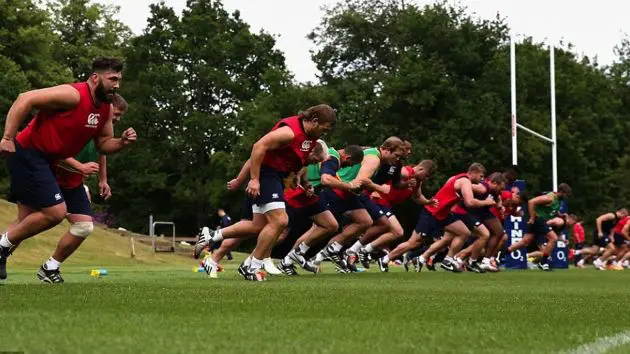
The start of the news rugby season is right around the corner and right now, every rugby player is going through the gruelling pre season work.
Every rugby player knows the feeling.
The first night back at pre-season. The lungs are burning, the legs are heavy and after a few weeks away from the game, everything suddenly feels a little bit faster than you remember.


For years, rugby pre-season almost became a competition to see who could suffer the most. Endless laps. Bronco after Bronco. Hill sprints. Punishment runs. Sessions designed to leave players lying on the ground afterwards.
But there is a big difference between getting players tired and getting players ready to play rugby.
And that should be the entire purpose of pre-season.
You Can’t Cheat the Work
There is no escaping the physical demands of rugby.
Players need an aerobic base. They need repeated sprint ability. They need strength, power and speed. Most importantly, they need bodies capable of surviving collisions week after week.
That work has to be done.


The problem comes when pre-season becomes obsessed with fitness testing rather than rugby preparation.
A player might be capable of running an outstanding Bronco, but can he make a tackle, get back to his feet, fold around the corner and make another one?
Can a winger produce a genuine top-speed sprint in the 75th minute?
Can a prop repeatedly scrum, carry, clean out and defend without his technique disappearing as fatigue builds?
Those are the questions that matter when the season starts.
Players Have Responsibility Too
Preparation isn’t solely the coach’s responsibility.
Players need to take ownership and keeping cardio fitness up outside formal sessions is important. The best way to do that is with frequent running sessions and picking the right pair of running shoes is equally important. Different types of show can make a significant difference to performance on different terrain and in different weather. Choosing the right model for your needs is essential and Hoka running shoes offer the complete range for all conditions.
If pre-season starts on a Tuesday evening, the worst preparation possible is doing absolutely nothing for six weeks and expecting the coaching staff to magically get you fit.


Even two or three weeks of basic running and gym work beforehand can make a massive difference.
The same applies away from training.
Sleep matters.
Hydration matters.
Nutrition matters.
Recovery matters.
And while nobody expects amateur rugby players to live like professional athletes, players can’t consistently train hard, sleep five hours, eat badly, spend every weekend drinking heavily and then wonder why their body feels destroyed.
Pre-season preparation is about habits as much as fitness.
Don’t Forget the Rugby Ball
There is another element that can sometimes disappear during pre-season:
rugby.
Players ultimately turn up because they enjoy playing the game.
Fitness can be incorporated into rugby.
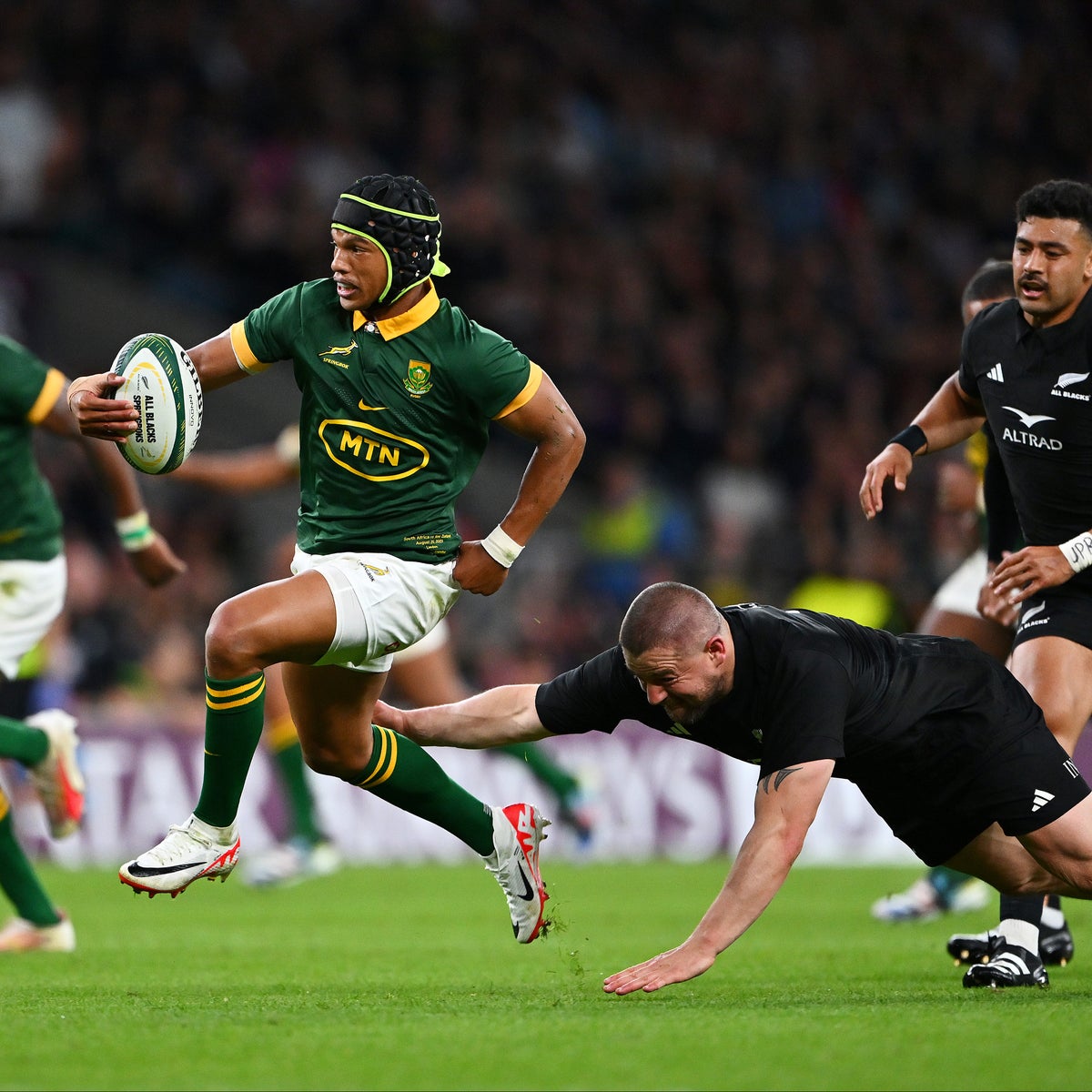
Small-sided games can create huge conditioning demands. Defensive drills can combine decision-making with repeated efforts. Attack drills can develop handling skills while players are fatigued.

There should absolutely be difficult conditioning sessions.
Sometimes players need to dig in and suffer together.
There is value in that.
But there also needs to be a reason behind what you’re doing.
Running players into the ground for the sake of saying “that was a savage session” isn’t necessarily good coaching.
We can’t wait for the new season to get underway, who do you think will win all the domestic leagues and of course the big one, the Champions Cup?